Last updated: September 10, 2026
Key Takeaways
- A simple under-sink install can take about 1 hour.
- A $250 countertop unit may cost little to put in, while a modest whole-house system can cost much more to install than the filter itself.
- How long do you expect the job to take?
- A point-of-use unit will not solve a shower problem or protect your water heater.
Water filter installation usually costs less than the system itself, but the bill can swing from a simple under-sink hookup to a full house main-line job. In plain terms: most straightforward installs are charged like a service call plus labor, while whole-house or plumbing-adjacent work runs higher because it eats more time, fittings, and skill.
I write about plumbing and home-service pricing, so I judge this the way a decent installer does: by the filter type, the plumbing already in place, and the hidden work behind the wall. Not glamorous. Just where the money goes.
Water filter installation costs by location
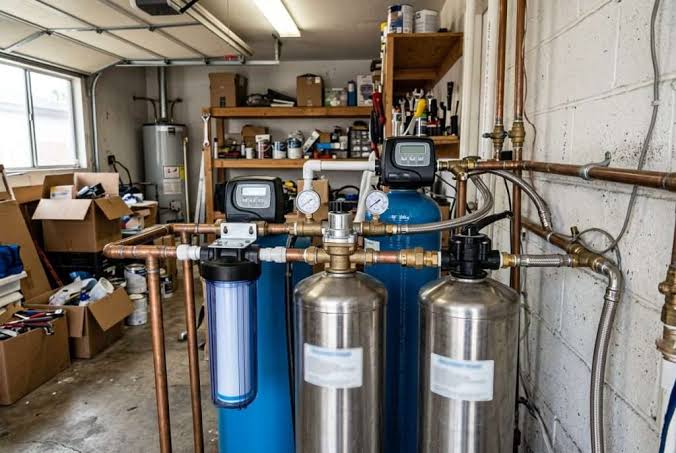
Installation cost follows the location, not just the brand. A point-of-use filter under one sink is usually the least expensive install because the plumber ties into one cold-water line and one drain. A whole-house filter is a different animal because it sits on the main line and may need shutoff valve work, bypass piping, or pressure checks. The EPA notes that filter selection should match the specific water problem, so checking local water conditions before you pay for plumbing work makes sense. EPA: Choosing Home Water Filters
For a simple under-sink reverse osmosis or cartridge filter, the labor is often closer to a basic service visit than a major plumbing project. By contrast, a whole-house sediment or carbon system usually brings a bigger bill because the installer may need 2 to 4 hours, not 30 to 60 minutes, especially when the piping is tight or old. The U.S. Department of Energy also notes that point-of-use systems generally treat water at one tap, while whole-house systems treat all water entering the home. DOE: Water Filtration
Here’s the rule I use: one faucet means mostly labor; the whole home means labor plus plumbing modification. If your house has PEX with reachable shutoffs, installation is easier. If the line is copper, cramped, or corroded, the price climbs because the risk climbs. That part is a bear.
What generic articles often miss is simple: the system price and install price are not the same thing. A $250 countertop unit may cost little to put in, while a modest whole-house system can cost much more to install than the filter itself. Budgeting only for the device catches homeowners off guard fast.
How much does the plumber charge?
The labor charge is usually what you are really buying. The installer may charge a flat trip fee, hourly labor, or a flat install rate tied to the filter type. Flat rates are easier to compare. Hourly rates are fair when the job is unpredictable, but they can get expensive if the piping is old or the shutoff fails.
What tends to move the number more than the brand name?
- Under-sink install with existing shutoffs: lower labor
- Add a new dedicated shutoff: higher labor
- Whole-house install on accessible main line: moderate labor
- Whole-house install with bypass, pressure regulator, or drain tie-in: higher labor
- Warranty-safe installation required by the manufacturer: may limit DIY
A clean install also depends on what is already there. Some systems need a 1/4-inch line to a faucet, an air gap at the drain, or a specific clearance under the sink. If the cabinet is packed with garbage disposal wiring, a water heater line, or a trash pull-out, the job takes longer. Crowded cabinets are where tidy plans go sideways.
My view is plain: if the install quote looks unusually low, ask what is excluded. A low quote can leave out valve replacement, extra tubing, filter flushing, or disposal of the old unit. Then the “simple” job becomes change orders. Sneaky, really.
Which type of filter costs more to install?

Whole-house systems usually cost more to install than under-sink or faucet-mount filters. That is the better choice only if you want filtered water at every tap, need sediment control for appliances, or have water quality concerns that affect the entire house.
A faucet-mounted filter is the easiest and cheapest to put on, but it is also the least elegant. It can get in the way of sink clearance and often has lower capacity than a plumbed system. An under-sink filter is my preferred middle ground for most kitchens because it keeps the counter clear and serves drinking water and cooking water without changing the whole house.
Whole-house filtration can be the better fit when the goal is broader protection, but checking with a plumber or water-treatment pro first is smart. It makes sense for well water with sediment, homes with chlorine taste throughout the plumbing, or buyers who want filtration before water reaches the water heater and fixtures. The trade-off is obvious: more fittings, more shutoff work, and more chance of a pressure drop if the system is undersized.
The weak point of a whole-house system is that it can be overkill for a condo, rental, or single occupant who only wants better-tasting drinking water. In those cases, I would skip main-line filtration unless the water report justifies it.
What should be in the quote before you say yes?
The quote should spell out parts, labor, and any plumbing changes. If it does not, I would keep shopping. A good quote usually names the filter model, the install location, whether new valves are included, and whether disposal of the old unit is included.
Ask these questions before you approve the job:
- Does the price include the shutoff valve, fittings, and tubing?
- Does it include drilling the sink deck or countertop if needed?
- Is a drain connection included for reverse osmosis?
- Will you test for leaks after install?
- Does the price change if the old valve will not close?
- How long do you expect the job to take?
- Is flushing or startup included?
That time question matters. A straightforward under-sink install may be done in about an hour. A whole-house system can take several hours. If the installer says the job is “quick” but refuses to name the steps, that is a warning sign.
A good quote also tells you what the installer will not do. For example, a filter swap is not the same as correcting bad house pressure, replacing old copper, or fixing a code issue with drain connections. If those problems show up on site, the job changes.
How do I know if the installer did a bad job?
A bad install leaks, rattles, drops pressure, or leaves the system hard to service later. Four warning signs matter most: wet fittings, a cloudy startup that never clears, a filter head mounted where the canister cannot be removed easily, and a noticeable drop in pressure after the unit is installed.
Leaks are the obvious failure. Less obvious is a system that works but is set up badly. If the shutoff valve is hard to reach, if tubing is kinked, or if the drain line on an RO system lacks proper routing, the job was not finished well. A neat install should still let you replace the cartridge later without tearing apart the cabinet.
Pressure loss is another clue. Every filter creates some resistance, but a poor choice or poor install can make the sink feel weak. That is especially true with whole-house systems that are too small for the home’s flow rate. If your shower pressure drops right after install, the system may be undersized or the bypass may not have been set correctly.
I’d also question any job that skips a leak check or startup flush. Many manufacturers call for flushing before use, and that step is not optional if you want clean-tasting water and fewer cartridge problems.
Honest side-by-side: under-sink vs whole-house
Under-sink filtration wins for most kitchen-only buyers because it is cheaper to install, easier to service, and less disruptive. Whole-house filtration can win when the entire property needs treatment, not just drinking water, but it is worth consulting a plumber or water-treatment specialist first. That is the real split. The EPA’s home-filter guidance is a good starting point for matching the system to the water issue. EPA: Choosing Home Water Filters
| Criteria | Under-sink filter | Whole-house filter | Winner for [condition] |
|---|---|---|---|
| Install complexity | Usually one faucet, one line, maybe a drain connection | Main-line work, bypasses, and more fittings | Under-sink for a quick kitchen job, though a plumber should confirm access and valve condition |
| Typical labor time | Often about 1 hour for a straightforward install | Often several hours, especially on older piping | Under-sink for speed |
| Housewide coverage | Only one tap or one sink | Every faucet, shower, and appliance | Whole-house for full-home treatment |
| Pressure impact | Usually limited to one sink | Can affect the whole house if undersized | Under-sink for low risk of pressure complaints |
| Serviceability | Easy cartridge access under one cabinet | Must be mounted where the main line is accessible | Under-sink for simple maintenance |
| Up-front install cost | Usually lower because the job is smaller | Usually higher because piping changes are larger | Under-sink for tighter budgets |
| Best use case | Drinking and cooking water | Sediment, chlorine, or treatment for the whole home | Depends on water problem |
| Bad-fit scenario | Not enough if every tap has the same water issue | Overkill for a condo or a single-point taste issue | Neither if the problem is only portable water jugs |
My judgment is clear: choose under-sink unless you have a whole-home water problem. That is the more cost-efficient install for most households. Whole-house is the better buy only when the reason is broad and specific, not just “I want better water.”
When does the recommendation flip?
The recommendation flips in a few cases, and ignoring them is how homeowners overspend.
On well water, if the water report shows sediment, staining, or sulfur at multiple fixtures, whole-house treatment deserves a hard look, but you should consult a professional before you buy. A point-of-use unit will not solve a shower problem or protect your water heater.
Second, if you are in a rental, condo, or temporary home, I would avoid major plumbing work. A removable under-sink or faucet system is easier to take with you and cheaper to remove later.
Third, if the sink cabinet is tiny or the plumbing is badly aged, the under-sink option can still become expensive because access is poor. At that point, a plumber may spend almost as long installing one point-of-use unit as a simple whole-house bypass, and the math stops working fast.
Fourth, if the home’s water pressure is already marginal, I would be careful with any whole-house filter that has a fine micron rating. A tighter filter media can create a pressure drop. That is not a reason to avoid filtration; it is a reason to size it correctly.
So what should you budget?
Budget more for the install than you think if the job involves main-line plumbing, drain work, or old shutoffs. Budget less if the system is under one sink and the cabinet is open. A practical homeowner should ask for a line-item quote and compare the cost of the device, valves, tubing, and labor separately.
If I were choosing without overthinking it, I would pay for under-sink installation for drinking water in most homes, and for whole-house installation only when the water issue is truly everywhere. That is the cleaner use of money, and it avoids paying for filtration you do not need.
Choose under-sink installation if you want filtered drinking water at the kitchen tap, have limited budget, or live in a condo or rental. Choose whole-house installation if sediment, chlorine, or another water issue affects every fixture in the home. Neither if you have not checked the water source or the home’s plumbing access; in that case, start with a water test and a look under the sink and at the main shutoff.
FAQ
How long does water filter installation take?
A simple under-sink install can take about 1 hour. A whole-house install often takes several hours, especially if valves or bypass piping must be added.
Do I need a plumber for every filter?
No. Basic faucet-mounted and some countertop systems are DIY-friendly. I would hire a plumber for under-sink reverse osmosis, whole-house systems, or any job that touches the main line.
Why did my install quote change once the plumber arrived?
Usually because of old valves, tight access, missing shutoffs, or the need for extra fittings. A good quote should say what is included and what is billed only if needed.
Is a whole-house filter worth it?
Yes if the whole home has a water problem that you want to address at every fixture. No if your only goal is better-tasting drinking water at one sink.
What is the biggest mistake people make?
They buy the filter first and the install plan second. That is backwards. The plumbing layout, not just the filter model, drives the real cost.
Leave a Reply